
Hydraulic Oil Heat
AIR HEAT EXCHANGERS (AIR COOLED HEAT EXCHANGERS)
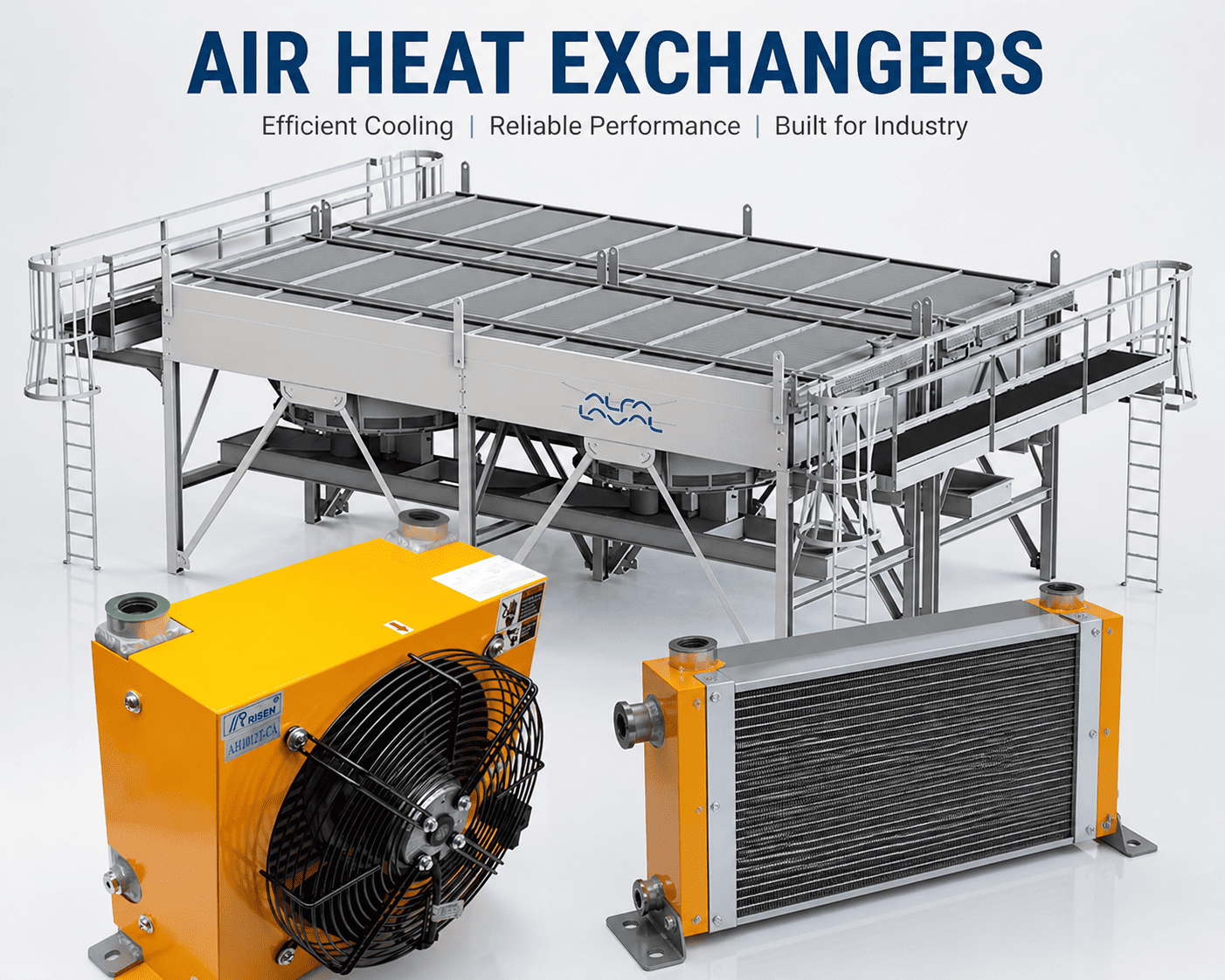
Air heat exchangers, also known as air-cooled heat exchangers (ACHE), are designed to dissipate heat from fluids using ambient air as the cooling medium. These systems eliminate the need for water, making them ideal for environments where water is limited or unavailable.
Hot fluid (such as hydraulic oil or process fluid) flows through tubes or finned coils, while ambient air is forced across the surface using fans. The heat is transferred to the air and dissipated into the atmosphere.
Why Choose Our Air Heat Exchangers
Reliable, standardized, and performance-focused hydraulic valve solutions for UAE industrial applications.
International Quality
High-quality international standard products built for dependable performance.
Brand Compatible
Compatible with major brands including Rexroth, Duplomatic, and more.
Fast Delivery
Competitive pricing with quick supply support for urgent industrial needs.
Technical Support
Expert product selection support with customization options available.
Main Types Of Air Heat Exchangers
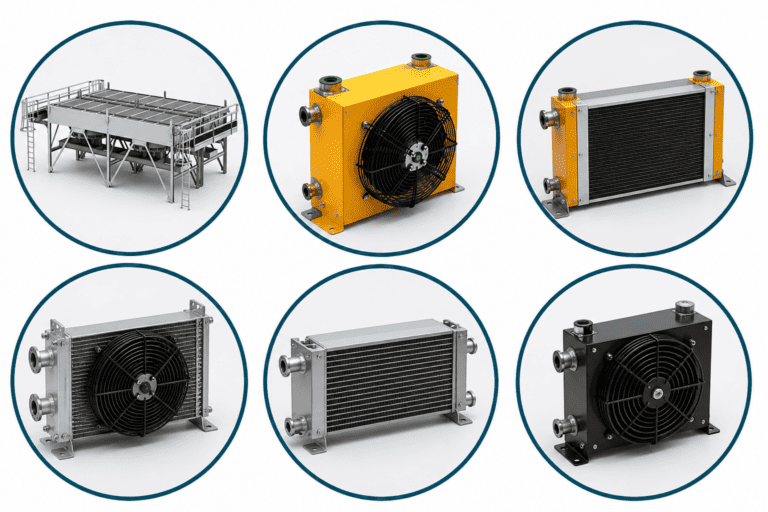
1. Fin Fan Coolers
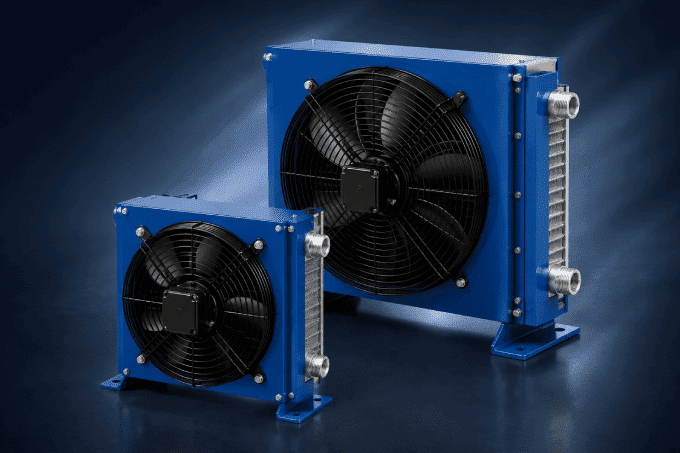
Fin Fan Coolers, also known as air-cooled heat exchangers, are one of the most widely used types of air heat exchangers in industrial applications. They consist of finned tubes through which hot fluid flows, while electric fans force ambient air over the fins to remove heat efficiently. The extended surface area provided by the fins significantly enhances heat transfer, making these coolers highly effective even in high-temperature environments.
- High cooling efficiency
- Forced air circulation
- Suitable for continuous operation
- Oil & gas plants
- Refineries
- Power generation
2. Hydraulic Oil Air Coolers
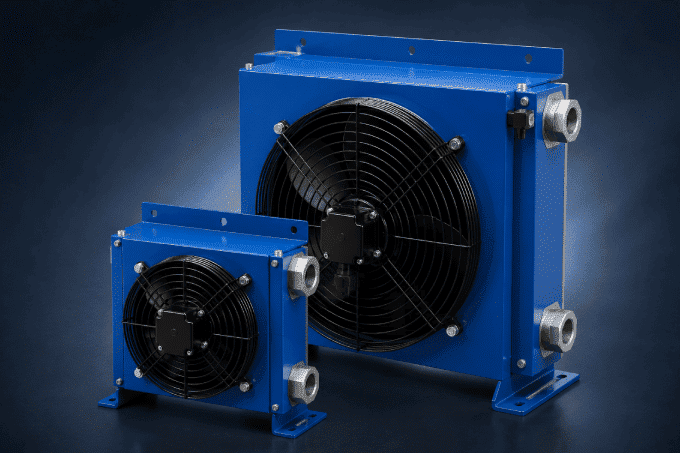
Hydraulic Oil Air Coolers are specially designed heat exchangers used to maintain the optimal temperature of hydraulic oil in systems such as Hydraulic Power Units (HPU), industrial machinery, and mobile equipment. These coolers use ambient air to remove excess heat generated during hydraulic operations, ensuring stable system performance and preventing overheating.
- Compact design
- Easy installation
- Energy-efficient operation
- Hydraulic power units
- Construction equipment
- Industrial machines
3. Radiator Type Air Heat Exchangers
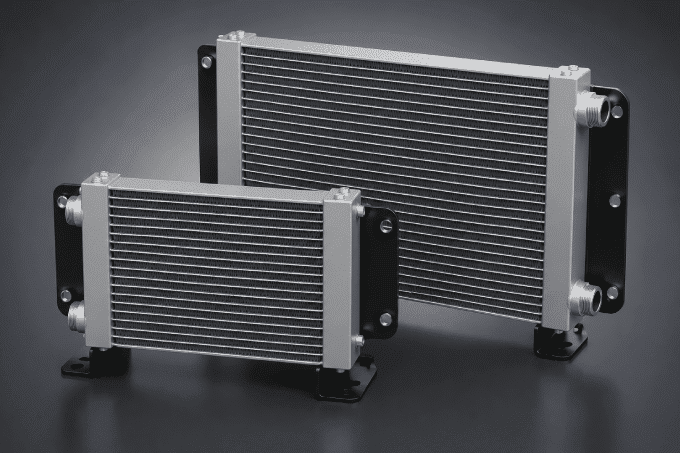
Radiator Type Air Heat Exchangers are designed on the same principle as automotive radiators, using a network of tubes and aluminum fins to achieve efficient heat transfer. Hot fluid flows through the internal tubes while ambient air passes over the external finned surface, allowing heat to dissipate quickly into the atmosphere.
- Lightweight
- Cost Effective
- High Heat Transfer Efficiency
- Mobile Equipment
- Agriculture Machinery
- Small Industrial Systems
4. Dry Cooling Systems
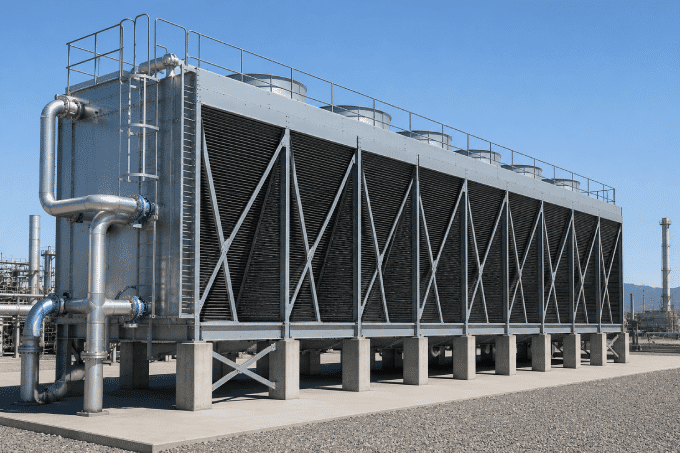
Dry Cooling Systems are large-scale air-cooled heat exchange systems designed to dissipate heat without the use of water. Widely used in power plants and heavy industrial facilities, these systems cool process fluids or steam by transferring heat directly to ambient air through extensive finned tube assemblies.
- No Water Consumption
- Environmentally Friendly
- Suitable For Large Operations
- Power Plants
- Energy Sector
- Petrochemical Plants
Industries Served
We provide reliable hydraulic solutions across a wide range of industries, ensuring performance, efficiency, and durability in every application.
Oil & Gas
Petrochemical
Marine & Offshore
Energy & Power Plants
Steel & Metal Industry
Cement Plants
Drilling Industry
Hydraulic Systems
Hydraulic Manifold
Technical Features
- Material: Aluminum / Copper / Steel
- Cooling Medium: Air
- Operating Pressure: Up to 25 bar (depending on design)
- Temperature Range: Up to 250°C
Advantages of Air Heat Exchangers
- No water requirement
- Low maintenance cost
- Easy installation
- Eco-friendly operation
- Ideal for remote and desert locations (UAE advantage)
| Feature | Air Heat Exchanger | Water Heat Exchanger |
|---|---|---|
|
Cooling Medium |
Air |
Water |
|
Maintenance |
Low |
Medium |
|
Efficiency |
Moderate |
High |
|
Installation |
Easy |
Complex |
|
Water Requirement |
Not required |
required |
Contact Us For Customer Pricing
Frequently Asked Questions About Our Hydraulic & Automation Solutions
write to us sales@arabianautomationuae.com